
The CountryRegister Quilt Block – Tutorial is an excellent guide for quilting enthusiasts who want to create a charming, country-inspired quilt design.
This block stands out for its simplicity, elegance, and versatility, making it perfect for both beginner and experienced quilters. Following this tutorial, anyone can craft a quilt that embodies warmth, tradition, and style while exploring essential quilting techniques.
The CountryRegister Quilt Block has become a favorite in modern quilting due to its adaptable patterns and easy-to-follow construction.
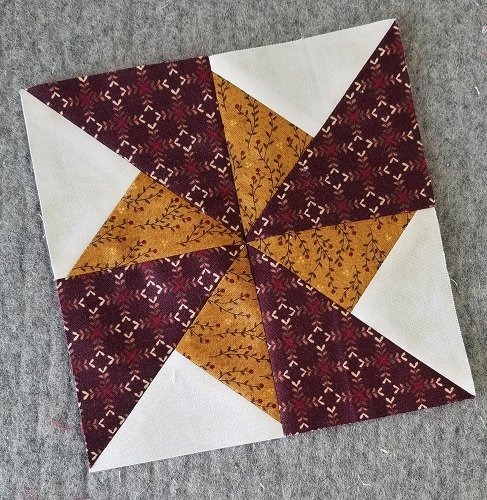
Its geometric symmetry and rustic charm make it suitable for any quilt project, from table runners to full-sized bed quilts. This tutorial is designed to guide you step-by-step, ensuring precision and satisfaction in your finished piece.
In addition to design instructions, this CountryRegister Quilt Block – Tutorial emphasizes fabric selection, cutting accuracy, and assembly techniques. Every aspect, from choosing colors to final quilting, is carefully explained to help you achieve a professional look. By the end of this guide, you’ll have a beautiful quilt block that can be combined to form a stunning finished quilt.
Choosing Fabrics for the CountryRegister Quilt Block
The first step in creating your CountryRegister Quilt Block is selecting the right fabrics. Fabric choice is crucial as it impacts the visual effect, durability, and ease of sewing. Quilters typically use 100% cotton fabrics because they are easy to cut, sew, and press, making them ideal for block precision.
When choosing fabrics, consider color contrast and coordination. Mixing light and dark shades will enhance the block’s pattern, making each design element stand out. This tutorial suggests pairing neutral tones with a few vibrant accents to achieve a classic country-style aesthetic.
Texture is also essential. Medium-weight fabrics are preferred because they handle well without adding unnecessary bulk. Avoid very thin fabrics, which may fray, or overly thick fabrics, which can make joining blocks difficult.
Before cutting, wash and iron all fabrics to prevent shrinkage and color bleeding. This step is essential for ensuring that the CountryRegister Quilt Block maintains its dimensions and pattern alignment after quilting.
Print scale matters too. Small to medium prints work best, allowing the intricate design of the CountryRegister Quilt Block to remain visible. Large prints may overwhelm or obscure the pattern, reducing the block’s visual appeal.
Finally, organize your fabrics according to your layout plan. Having a clear arrangement before cutting and sewing ensures that the assembly process is smooth and that the final quilt accurately reflects your design intentions.
Cutting and Preparing the Blocks
Accurate cutting is fundamental in this tutorial to achieve the precise geometry of the CountryRegister Quilt Block. Use a rotary cutter, quilting ruler, and cutting mat to create straight, uniform pieces. This ensures that the finished blocks fit together perfectly.
Start by measuring and cutting squares, rectangles, or triangles according to your chosen block size. Most CountryRegister Quilt Blocks are between 4 and 6 inches per side, but you can adjust based on your quilt dimensions. Accuracy in cutting will simplify assembly later.
Lay out all cut pieces on a flat surface to visualize the final block. This pre-assembly helps you check color balance, pattern alignment, and overall aesthetic. This tutorial emphasizes this step as a way to avoid mistakes during sewing.
Label or mark your fabric pieces to indicate which ones will join together. This simple step prevents confusion and ensures that the CountryRegister Quilt Block is assembled correctly. Organization is key to efficiency and precision.
Press each cut piece before sewing. Pressing ensures the fabric lies flat and allows for accurate seam allowances, which is crucial for the clean, finished look of your quilt blocks. This tutorial encourages pressing after every step for optimal results.
Finally, double-check all cut pieces for size and placement before stitching. Ensuring that each piece is correctly cut and aligned reduces errors and contributes to a flawless final product.
Sewing the Quilt Block
Sewing the CountryRegister Quilt Block is the stage where all your careful preparation comes together. Begin by sewing small sections or sub-blocks, maintaining a consistent ½ inch seam allowance. Accuracy in seams is vital for keeping the block’s geometric design intact.
After sewing each sub-section, press the seams flat. This helps when joining multiple pieces, preventing bulk and uneven edges. Proper pressing is an essential part of this tutorial, resulting in a professional appearance.
Assemble the sub-blocks to form the complete CountryRegister Quilt Block. Pin the pieces together at intersection points to maintain alignment. Accurate matching of corners and edges ensures the symmetry that defines this quilt block.
Check alignment as you sew to make minor adjustments when necessary. Correcting small errors early in the process prevents larger problems when combining multiple blocks in a quilt top.
Avoid pulling the fabric while sewing, as this can distort the block. Keep a steady pace and focus on precision rather than speed. Following this tutorial, you will achieve a beautifully uniform CountryRegister Quilt Block.
Once all sections are sewn together, perform a final check. Make sure the block lies flat and that seams match perfectly. Completing this stage correctly ensures that the block is ready for inclusion in a quilt top.
Finishing and Quilting
Finishing the CountryRegister Quilt Block involves combining multiple blocks and quilting them together. Select batting and backing fabrics suitable for your project. Batting adds warmth and softness, while the backing provides support and structure.
Layer the quilt top, batting, and backing, securing them with pins or a temporary adhesive spray to prevent shifting during quilting. Maintaining alignment is crucial for a clean, professional finish.
Choose a quilting method, such as hand quilting, straight-line machine quilting, or free-motion quilting. Each technique creates different visual effects and enhances the design of the CountryRegister Quilt Block.
Begin quilting from the center of the quilt and work outward to prevent puckering or stretching. This tutorial emphasizes this technique to achieve smooth, even results.
After quilting, bind the edges using fabric strips or pre-made bindings. This final step strengthens the quilt and gives it a polished look, ensuring the CountryRegister Quilt Block is secure and durable.
Finally, trim loose threads and inspect your work. The result is a well-crafted quilt block that can be repeated to create a beautiful quilt with a country-inspired aesthetic.
FAQ – Frequently Asked Questions about the CountryRegister Quilt Block
1. What is a CountryRegister Quilt Block?
The CountryRegister Quilt Block is a traditional quilt block pattern known for its rustic charm and geometric simplicity, often used in country-style quilts.
2. Can beginners make this quilt block?
Yes. This CountryRegister Quilt Block – Tutorial is beginner-friendly, providing step-by-step guidance for accurate and easy construction.
3. What fabrics work best?
100% cotton fabrics are recommended because they are easy to cut, sew, and press, ensuring a professional finish.
4. What size should the blocks be?
Most blocks range from 4 to 6 inches per side, but this can be adjusted depending on your quilt project.
5. Should I sew by hand or machine?
Both methods work. Machine sewing speeds up production, while hand sewing offers a classic, handcrafted touch.
6. How do I prevent misalignment?
Pin corners and intersections, check alignment frequently, and maintain consistent seam allowances throughout sewing.
7. Can I customize the colors and prints?
Absolutely. Mix and match fabrics according to your preference while ensuring contrast to highlight the block pattern.
Conclusion
In this CountryRegister Quilt Block – Tutorial, we explored fabric selection, accurate cutting, detailed sewing, and finishing techniques to create a professional and charming quilt block. By following this guide, you can produce beautiful blocks suitable for a full quilt or individual decorative pieces.
Now that you’ve completed the tutorial, share your honest feedback and suggestions. Your input not only helps improve future tutorials but also inspires others to explore the art of quilting and create their own CountryRegister Quilt Block.