Hunter's Star Quilt Block - Quick & Easy Tutorial

Creating a beautiful quilt is both an art and a rewarding hobby, and using a Rooster Quilt Block Free Pattern can add a charming, rustic touch to your projects.
This pattern is ideal for quilters of all skill levels, whether you are just starting out or have years of experience.
By following a free pattern, you can explore different fabrics, colors, and textures without the pressure of designing a quilt from scratch. A Rooster Quilt Block Free Pattern brings personality and warmth to your home décor, making it a favorite choice for kitchens, dining rooms, or cozy living spaces.
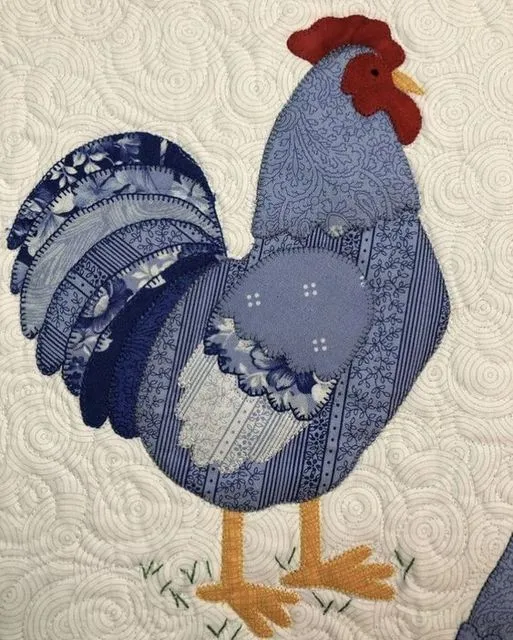
Using a Rooster Quilt Block Free Pattern also encourages creativity and experimentation. You can mix and match fabrics to reflect your personal style, and the whimsical design of a rooster adds a playful yet classic element.
Many quilters enjoy the process of creating each block, knowing that every completed piece contributes to a larger, cohesive quilt. The flexibility of free patterns allows you to adapt the design to your preferred size, color palette, and sewing techniques.
Additionally, a Rooster Quilt Block Free Pattern can be a wonderful way to connect with family and friends. Quilting circles and workshops often feature these patterns, making it easy to share tips, tricks, and inspiration. Whether you are sewing for yourself, gifting a handmade quilt, or even selling your creations, this pattern provides a versatile and appealing option. Its combination of charm, tradition, and accessibility makes it a must-try for any quilter interested in adding a touch of farmhouse elegance to their craft.
The Rooster Quilt Block Free Pattern is based on traditional quilt block structures but adds a unique flair with its animal motif. Roosters have long symbolized awakening, energy, and rural life, which makes them an appealing theme for home décor. A single block typically consists of several geometric shapes carefully arranged to form the outline of a rooster. Understanding the basic layout is essential before beginning your quilt project.
Each component of the rooster block, such as the tail, comb, and body, is constructed with individual fabric pieces that are sewn together precisely. Attention to detail ensures that the final block appears crisp and well-defined. A Rooster Quilt Block Free Pattern usually comes with step-by-step instructions, diagrams, and sometimes color suggestions to guide beginners through the process.
One of the advantages of this block is its adaptability. You can use a traditional color scheme like reds, yellows, and whites, or experiment with bold, contemporary hues to match your home décor. The block’s size can also vary, making it suitable for quilts of all dimensions. By mastering this design, quilters can create not only standalone blocks but also a series that forms a cohesive and eye-catching quilt.
The Rooster Quilt Block Free Pattern can also be combined with other traditional blocks to create unique layouts. For example, pairing rooster blocks with floral or geometric patterns can enhance visual interest. Many quilters enjoy mixing textures, such as cotton with linen or flannel, to add depth and tactile appeal to their projects.
Another key aspect of this block is its storytelling potential. Each quilt tells a story, and a rooster-themed quilt can represent warmth, family traditions, and country living. By using a Rooster Quilt Block Free Pattern, you are creating more than a decorative piece—you are crafting a meaningful artifact that can be cherished for generations.
Lastly, the block’s construction reinforces essential quilting skills. Cutting, piecing, and sewing accurate shapes develops precision and patience, which are crucial for more complex patterns. Beginners and experienced quilters alike can benefit from the challenges and rewards of mastering the rooster block.
Selecting the right fabrics is crucial for achieving the best results with your Rooster Quilt Block Free Pattern. Traditional quilt blocks often use 100% cotton because it is easy to handle, durable, and widely available. However, quilters may also explore blends, batiks, or patterned fabrics to add personality to the design. Color contrast is important to ensure that each part of the rooster stands out clearly.
Start by choosing fabrics for the main components: the body, comb, wattle, and tail feathers. A bold color for the body, paired with complementary or contrasting fabrics for details, can create a striking visual effect. Using multiple shades for the tail feathers can also simulate texture and depth, enhancing the overall design.
Consider using scraps or leftover fabrics from previous projects. A Rooster Quilt Block Free Pattern is perfect for incorporating small pieces, reducing waste, and giving new life to unused materials. This approach not only saves money but also encourages creative experimentation with color combinations.
Fabric preparation is another key step. Wash and iron all fabrics before cutting to prevent shrinking and ensure smooth seams. Using accurate cutting tools and rulers is essential for precision, especially when working with intricate shapes like the rooster’s comb or tail feathers.
Quilters should also consider the quilt’s final use when selecting fabrics. For decorative wall hangings, vibrant and eye-catching fabrics work well, while a quilt intended for everyday use may benefit from durable, washable materials. Ultimately, your choices will influence the overall aesthetic and longevity of the quilt.
Finally, layering fabrics thoughtfully is essential. The Rooster Quilt Block Free Pattern often includes piecing small shapes together, so consider the weight and thickness of each fabric. Ensuring compatibility between fabrics prevents puckering and misalignment, resulting in a polished, professional-looking quilt block.
Successfully creating a Rooster Quilt Block Free Pattern requires careful attention to detail and methodical execution. Begin by thoroughly reading the pattern instructions, noting the required measurements and pieces. Accurate cutting is the foundation for a successful block, and investing time in this step pays off in the final result.
Use a consistent seam allowance, typically ¼ inch, to maintain uniformity across all pieces. Pinning or using a temporary adhesive can help keep small, intricate pieces in place while sewing. This is especially useful for the rooster’s comb and tail feathers, which may include angled or curved shapes.
Sew pieces together slowly, checking alignment after each step. Pressing seams with an iron as you go is essential to keep pieces flat and crisp. Be mindful of seam direction to reduce bulk, especially when multiple layers converge at a single point.
If mistakes occur, don’t hesitate to unpick and redo the seam. Precision is key for a Rooster Quilt Block Free Pattern, and correcting errors early ensures a clean final block. Many quilters recommend working in small sections, completing one part of the rooster before moving to the next.
Once the block is assembled, carefully trim edges to the recommended dimensions. Accurate trimming ensures that all blocks will fit together correctly in the final quilt layout. Repeating this process for multiple blocks will help maintain consistency throughout your quilt.
Finally, incorporate finishing touches. Some quilters add embroidery, appliqué, or decorative stitching to highlight the rooster’s features. These embellishments can add depth and personality, making your quilt a unique expression of creativity.
A Rooster Quilt Block Free Pattern offers versatility beyond traditional quilts. Once you’ve mastered the block, you can incorporate it into wall hangings, table runners, pillow covers, and even tote bags. These creative applications allow you to showcase your skills in various ways while enhancing your home décor.
Mixing rooster blocks with other thematic designs, like barnyard animals or floral motifs, creates a dynamic and engaging quilt layout. You can arrange blocks symmetrically for a classic look or use a more random placement for a whimsical effect.
Consider the size and scale of each block relative to your project. Larger blocks can serve as a quilt’s focal point, while smaller blocks are ideal for accent pieces. Experimenting with scale can dramatically change the visual impact of your design.
Color themes can also be adjusted for seasonal projects. A rooster block in warm reds, oranges, and yellows evokes fall, while pastels and bright hues suggest spring and summer. These variations allow your Rooster Quilt Block Free Pattern to be adapted for multiple purposes throughout the year.
Combining blocks with sashing or borders adds structure and highlights individual designs. Contrasting fabrics for the border can frame each rooster block, creating a polished and professional finish. These techniques enhance the aesthetic and showcase your attention to detail.
Finally, gifting quilts or items featuring rooster blocks is always appreciated. Handmade creations carry sentimental value, and a Rooster Quilt Block Free Pattern conveys charm, craftsmanship, and care. Recipients are sure to treasure such thoughtful, personalized gifts.
Q: What skill level is required for a Rooster Quilt Block Free Pattern?
A: This pattern is suitable for beginners and intermediate quilters. While some sections involve precise piecing, clear instructions make it accessible for all levels.
Q: Can I resize the rooster block for different projects?
A: Yes, the pattern can be scaled up or down depending on your project, whether for a large quilt or small decorative pieces.
Q: What fabrics work best for this pattern?
A: 100% cotton is recommended for durability and ease of handling, but blends, flannels, and patterned fabrics can add creativity.
Q: Are there tips for sewing intricate parts like the rooster’s comb?
A: Use pins, temporary adhesives, or small clips to hold pieces in place and sew slowly for accuracy. Press seams to keep pieces flat.
Q: Can this block be combined with other quilt blocks?
A: Absolutely. Rooster blocks pair well with geometric, floral, or other animal-themed blocks to create diverse layouts.
Q: How do I care for a finished quilt with rooster blocks?
A: Wash in cold water on a gentle cycle and air dry if possible. Avoid harsh detergents to preserve colors and fabric integrity.
The Rooster Quilt Block Free Pattern is a versatile, charming, and rewarding project for quilters of all levels. From selecting fabrics to piecing intricate details and exploring creative layouts, this pattern encourages skill-building and artistic expression.
By following a free pattern, you can create quilts, home décor items, or gifts that reflect your personality and craftsmanship. Mastering this block enhances your quilting skills and allows for endless experimentation with color, texture, and design.
Share your creations, seek feedback, and enjoy the satisfaction of completing each vibrant block. We would love to hear your sincere opinions and suggestions on using this pattern in your own projects.