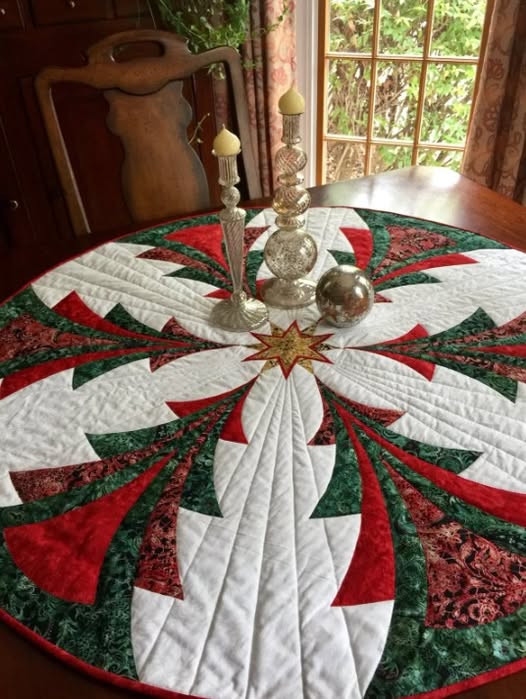
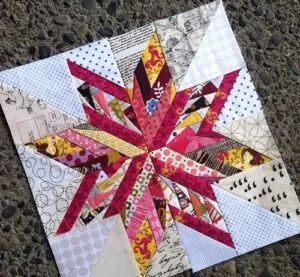
Hunter's Star Quilt Block - Quick & Easy Tutorial

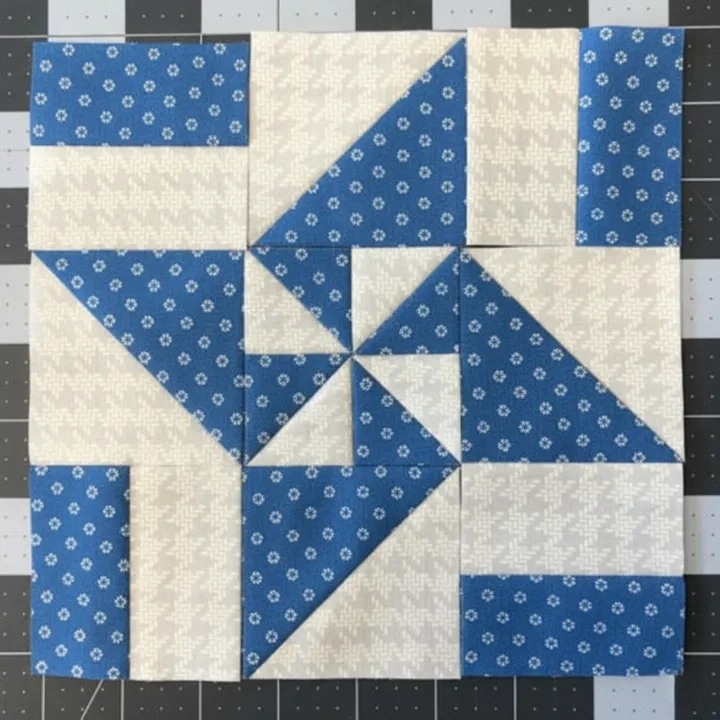
The Carolina Lily Block Pattern is a timeless design that has captivated quilters and craft enthusiasts for generations. Known for its intricate detail and symmetrical beauty, this quilting pattern provides a stunning way to bring elegance and sophistication to any quilting project.
Whether you are a beginner or an experienced quilter, understanding the nuances of the Carolina Lily Block Pattern can help you create breathtaking pieces that showcase both skill and creativity.
In this article, we will explore every aspect of this unique pattern, including its history, techniques, materials, and design tips, ensuring that you gain a comprehensive understanding of its charm.
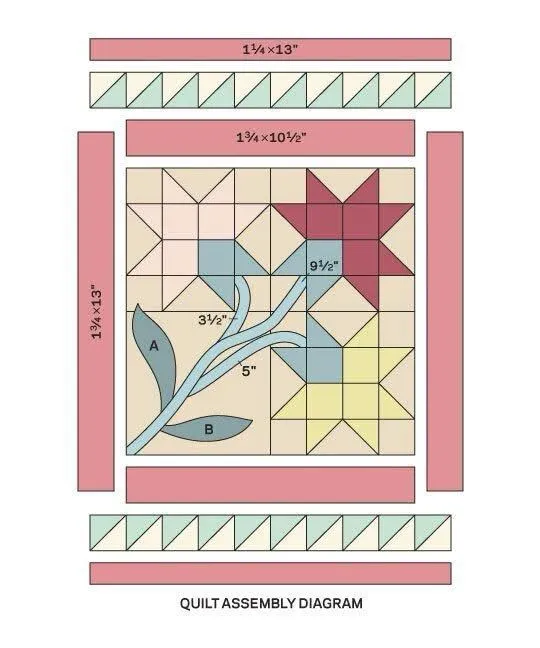
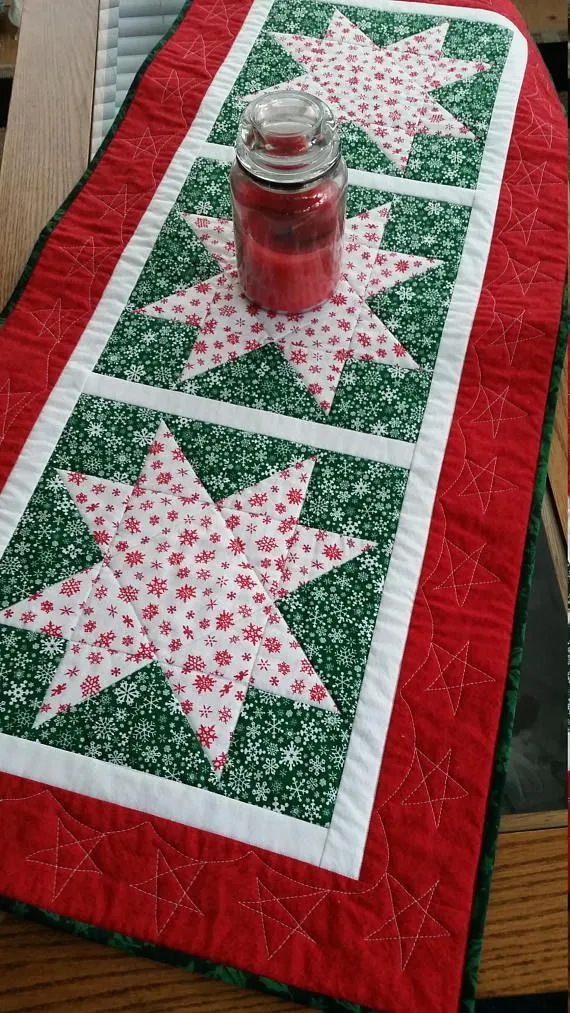
Many quilters are drawn to the Carolina Lily Block Pattern because of its versatility. This pattern can be adapted to a variety of projects, from quilts and pillow covers to table runners and wall hangings.
The graceful lines and floral-inspired design of the pattern make it a perfect choice for adding a touch of nature-inspired beauty to your home décor. Additionally, the Carolina Lily Block Pattern allows for endless creativity in color selection and fabric combinations, letting you personalize each piece to reflect your unique style.
Incorporating the Carolina Lily Block Pattern into your quilting projects also helps develop precision and technique. The pattern’s structure requires careful planning and attention to detail, which improves overall quilting skills. By mastering this pattern, quilters not only create beautiful finished products but also gain confidence in their abilities, enabling them to experiment with more complex designs in the future. In the following sections, we will break down the key elements of the Carolina Lily Block Pattern, provide tips for perfect execution, and answer some of the most frequently asked questions about this beloved design.
The Carolina Lily Block Pattern has a rich history that traces back to traditional American quilting. This pattern, inspired by the elegant lily flower, first gained popularity in the southern United States, where quilting was not only a practical craft but also a cherished form of artistic expression. Many historians believe that the Carolina Lily Block Pattern was named after the state of Carolina due to the prevalence of lily flowers in the region, symbolizing beauty and resilience.
Quilters in the 19th century often incorporated the Carolina Lily Block Pattern into communal projects, such as quilts made for weddings, births, and other significant events. The pattern’s floral motif represented purity and new beginnings, making it a meaningful addition to family heirlooms. Over time, the Carolina Lily Block Pattern spread beyond regional borders, becoming a favorite among quilters nationwide.
The adaptability of the Carolina Lily Block Pattern contributed to its enduring popularity. Unlike some traditional blocks, this pattern allows for variations in color, fabric, and size, making it suitable for both small-scale projects and large quilts. Today, quilters continue to honor the legacy of the Carolina Lily Block Pattern while adding modern touches that reflect contemporary tastes and design trends.
Understanding the historical context of the Carolina Lily Block Pattern can enhance your appreciation of its design and symbolism. By incorporating this pattern into your projects, you are not only creating something visually striking but also connecting with a long tradition of craftsmanship and artistry. This historical perspective adds depth and meaning to your quilting practice, making each project more fulfilling.
Learning about the origins of the Carolina Lily Block Pattern also provides insight into how quilting techniques have evolved. Early quilters relied on hand-sewing methods, whereas modern quilters often use sewing machines and precision tools. Despite technological advancements, the essence of the Carolina Lily Block Pattern remains unchanged, demonstrating the timeless appeal of this design.
Finally, the Carolina Lily Block Pattern serves as a bridge between past and present quilters. By studying and recreating this pattern, modern quilters can honor traditional methods while experimenting with contemporary fabrics, textures, and techniques. This combination of tradition and innovation ensures that the Carolina Lily Block Pattern remains a beloved fixture in the quilting community.
Creating a beautiful Carolina Lily Block Pattern requires careful selection of materials and tools. High-quality fabrics, thread, and sewing equipment play a crucial role in achieving precise and visually appealing results. The most commonly used fabrics for this pattern include cotton, linen, and blended fabrics, which provide durability and ease of handling during the sewing process.
Selecting the right thread is equally important for the Carolina Lily Block Pattern. Quilters often prefer cotton or polyester threads that match or complement the fabric colors. Using a strong, smooth thread ensures clean seams and prevents fraying, which is particularly important for intricate patterns like the Carolina Lily. The thread should also be compatible with your sewing machine to avoid tension issues.
In addition to fabrics and thread, you will need essential tools such as rotary cutters, cutting mats, quilting rulers, pins, and an iron. These tools help quilters achieve precise cuts and seams, which are critical for the symmetry of the Carolina Lily Block Pattern. Accurate cutting and careful pressing enhance the overall appearance and make assembly easier.
For those new to quilting, pre-printed Carolina Lily Block Pattern templates can simplify the process. These templates provide clear guidelines for cutting and piecing the fabric, reducing the risk of errors. Experienced quilters may prefer to create their own templates, experimenting with scale, color, and layout to customize the pattern according to their vision.
A crucial part of preparing for the Carolina Lily Block Pattern is choosing the right color palette. Traditional color schemes often feature soft pastels or nature-inspired tones, while modern interpretations might include bold contrasts or monochromatic designs. Thoughtful color selection enhances the visual impact of the quilt and highlights the pattern’s intricate details.
Finally, organization is key when working on a Carolina Lily Block Pattern project. Keeping your fabrics, tools, and pieces neatly arranged helps streamline the sewing process, reduces mistakes, and makes the quilting experience more enjoyable. A well-prepared workspace sets the stage for a successful and satisfying project.
Creating a Carolina Lily Block Pattern begins with careful planning and preparation. Start by selecting your fabric colors and cutting the pieces according to the pattern’s specifications. Accuracy in cutting is essential, as even small deviations can affect the symmetry of the block. Use a rotary cutter and ruler for precise measurements.
Next, arrange the cut pieces in the layout of the Carolina Lily Block Pattern before sewing. This step allows you to visualize the final design and make adjustments if necessary. Pay attention to the color placement to ensure that the floral motif is balanced and visually appealing.
Begin sewing the pieces together using a consistent seam allowance, typically 1/4 inch. Take your time to align the edges and match points carefully. Press each seam after sewing to maintain a flat and professional appearance. Proper seam alignment is crucial for the Carolina Lily Block Pattern, as it ensures the flower motif remains symmetrical.
Once the individual pieces are assembled into sections, combine the sections to complete the full block. Check that all seams match and that the block lays flat. If adjustments are needed, carefully unpick and resew sections rather than forcing misaligned pieces together.
After the block is assembled, trim any excess fabric and square the block to the desired dimensions. Squaring ensures that the block will fit neatly with other blocks in a quilt or project. Precision in this step enhances the overall appearance and cohesion of the finished piece.
Finally, incorporate the completed Carolina Lily Block Pattern into your project, whether it is a quilt, pillow, or wall hanging. Combine multiple blocks to create larger designs, paying attention to color repetition and symmetry. The finished piece should showcase the elegance and beauty of the Carolina Lily, reflecting both skill and creativity.
Mastering the Carolina Lily Block Pattern requires patience, practice, and attention to detail. One important tip is to always pre-wash and iron your fabrics before cutting. This step prevents shrinkage and distortion, ensuring that your block maintains its shape after washing.
Consistent seam allowances are critical for achieving a precise Carolina Lily Block Pattern. Using a sewing machine foot guide or marking your seam lines can help maintain uniformity. Precision in sewing ensures that all pieces fit together perfectly and that the floral motif remains symmetrical.
Another tip is to use pins or fabric clips to hold pieces in place before sewing. This prevents shifting and misalignment during stitching, which can compromise the integrity of the Carolina Lily Block Pattern. Taking the time to pin carefully pays off in the final result.
Choosing contrasting or complementary colors enhances the visual appeal of the Carolina Lily Block Pattern. Experiment with different color combinations to find a palette that highlights the intricate floral design. Avoid overly busy prints that may obscure the pattern’s details.
Maintaining a clean workspace also contributes to successful quilting. Organize your pieces, tools, and fabrics to streamline the process. A clutter-free environment allows for better focus and precision when creating the Carolina Lily Block Pattern.
Finally, don’t rush the process. Quilting is as much about the journey as the finished product. Take your time to enjoy the creative process, and you will find that your Carolina Lily Block Pattern projects become more polished and satisfying with each attempt.
Q1: Is the Carolina Lily Block Pattern suitable for beginners?
A: Yes, beginners can attempt this pattern, especially using pre-printed templates and following step-by-step instructions. Patience and careful sewing are key.
Q2: What fabrics work best for the Carolina Lily Block Pattern?
A: Cotton and cotton blends are ideal because they are easy to handle, durable, and maintain their shape during sewing.
Q3: Can I use the Carolina Lily Block Pattern for modern quilts?
A: Absolutely. The pattern is versatile and can be adapted with contemporary fabrics and color schemes to create a modern look.
Q4: How do I maintain symmetry in the Carolina Lily Block Pattern?
A: Accurate cutting, consistent seam allowances, and careful pinning are essential to maintain symmetry and alignment.
Q5: Can I combine multiple Carolina Lily Blocks in a single quilt?
A: Yes, combining multiple blocks creates larger designs. Pay attention to color distribution and layout for a cohesive appearance.
Q6: Are there digital resources for the Carolina Lily Block Pattern?
A: Many quilting books and digital templates provide instructions and patterns for creating this block, suitable for both beginners and advanced quilters.
The Carolina Lily Block Pattern is more than just a quilting design—it is a symbol of tradition, artistry, and creativity. By understanding its history, gathering the right materials, following precise techniques, and applying helpful tips, you can master this beautiful pattern and create projects that showcase elegance and skill. Incorporating the Carolina Lily Block Pattern into your quilting repertoire allows you to explore both traditional and modern interpretations, resulting in stunning, meaningful creations.
We hope this guide has provided valuable insights into the Carolina Lily Block Pattern. Share your thoughts, suggestions, and experiences with this pattern in the comments, and let us know how you have personalized your quilting projects. Your feedback helps enrich the quilting community and inspires others to explore the timeless beauty of the Carolina Lily.