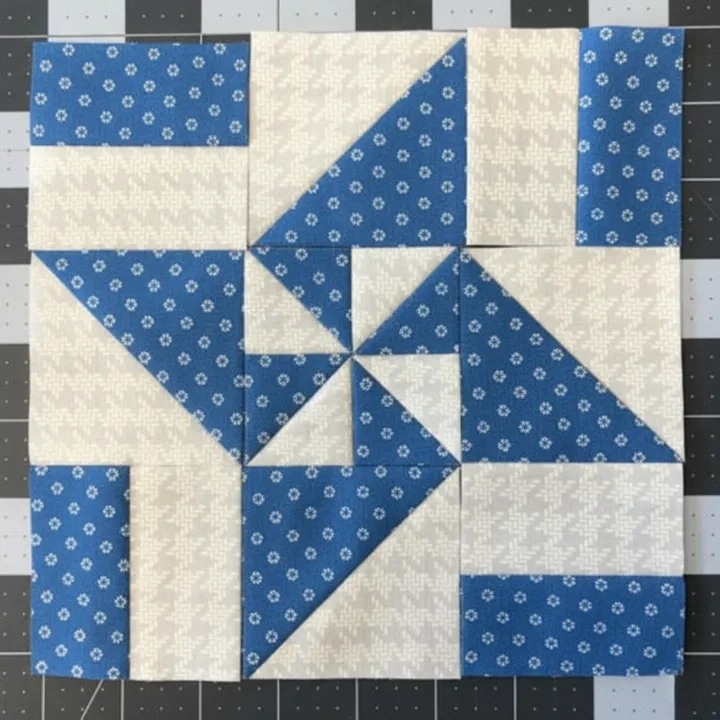
Hunter's Star Quilt Block - Quick & Easy Tutorial

Creating a house quilt block is a fun and creative way to bring warmth and charm to your quilting projects. Whether you are a beginner or an experienced quilter, learning how to make a house quilt block allows you to add personalized designs to your quilts, wall hangings, or gifts.
The beauty of a house quilt block lies in its versatility—it can represent a cozy cottage, a modern home, or even a whimsical structure inspired by your imagination. By mastering the techniques involved, you can create quilt blocks that stand out with unique patterns, colors, and textures.
The process of making a house quilt block begins with selecting your fabric carefully. Choosing complementary colors for the roof, walls, and background ensures that your block will be visually appealing.

Fabric patterns also play an essential role—subtle prints can add depth, while bold designs make a statement. Quilters often combine different textures and cotton prints to achieve a rich, dimensional look.
Using quality materials will not only enhance the beauty of your block but also improve durability and ease of handling while sewing.
Understanding basic quilting techniques is crucial when learning how to make a house quilt block. Piecing, sewing accurate seams, and pressing fabrics correctly are fundamental skills. Even small inaccuracies can affect the alignment of your block, making your finished quilt look less polished. Fortunately, with careful attention to detail and some practice, anyone can create a perfect house quilt block. This guide will walk you through the steps, tips, and tricks needed to craft an eye-catching block that can be combined into a larger quilt or used as a standalone design.
Selecting the perfect fabrics is the first step in creating a standout house quilt block. Each element of the block, from the roof to the walls and the background, should harmonize in color and texture. Quilters often choose contrasting colors for the house and the background to make the structure pop. For example, a deep navy roof against a light sky-blue background can create a visually striking effect.
Mixing patterns and textures can also enhance the overall look of your house quilt block. Small prints work well for the house walls, while solid fabrics are ideal for roofs and chimneys. This balance prevents the block from looking too busy while keeping it visually interesting. Experimenting with fabric placement before cutting and sewing can save time and ensure the colors complement each other effectively.
Prewashing your fabrics is an often-overlooked step, but it is essential when making a house quilt block. Washing and ironing the fabric beforehand reduces the risk of shrinkage after the quilt is completed. It also ensures that the colors remain vibrant and prevents bleeding when the quilt is washed in the future. By taking these precautions, you set yourself up for a professional-looking finished block.
Accurate cutting is another critical factor. Using a rotary cutter, ruler, and cutting mat helps you achieve precise pieces for your house quilt block. Accurate shapes make piecing easier and result in clean, sharp seams. Marking fabric with chalk or a fabric pencil before cutting ensures that your pieces stay consistent, which is especially important when creating intricate designs like windows or doors on the house.
Paying attention to the scale of your fabric patterns also affects your house quilt block. Large prints may overwhelm a small block, while tiny prints can get lost. Balancing pattern size with block size ensures that the design details are visible and harmonious. By carefully planning your fabric choices, you can elevate the overall aesthetic of your quilt.
Finally, consider adding special fabrics for accents. Metallics, textured cottons, or even fabrics with subtle glitter can bring a unique flair to your house quilt block. These touches give your quilt personality and can make a simple block appear more intricate and engaging.
Once you have chosen your fabrics, the next step in making a house quilt block is cutting and piecing the fabric accurately. Precision is crucial, as even slight misalignments can affect the finished block. Start by following a pattern or template specifically designed for a house quilt block. Templates provide guidance for the roof, walls, doors, and any additional details like windows or chimneys.
Begin with the largest pieces, usually the background and main structure of the house. Use a rotary cutter, ruler, and cutting mat to ensure straight edges. Accurate cutting simplifies the piecing process and reduces the chances of uneven seams. Always double-check measurements before cutting to avoid wasting fabric. When cutting small pieces, such as a door or window, careful measurement and trimming are key to maintaining the proportions of your house quilt block.
Piecing the block involves sewing the fabric pieces together in the correct order. Start with the main house sections and then attach smaller details. Using a consistent seam allowance, typically ¼ inch, ensures that the pieces align perfectly. Pressing seams as you sew is essential—open seams prevent bulk and help the block lie flat. Precision in piecing guarantees that your house quilt block will look neat and professional.
For more complex designs, consider paper piecing. This technique allows you to sew small, intricate pieces with high accuracy. Paper piecing is especially useful when adding detailed elements like roofs with chimneys or patterned windows. By following the lines on the paper, you can create precise, crisp shapes that are difficult to achieve with traditional piecing methods.
Check alignment frequently as you piece the block. Lay the pieces on a flat surface to ensure that all parts of your house quilt block are properly positioned. This step allows for adjustments before final sewing, saving frustration later. Accurate alignment also helps maintain the symmetry of the block, which is visually appealing in quilts.
Finally, trim your block to the desired size after piecing. This ensures that all blocks are uniform, which is particularly important if you are combining multiple house quilt blocks in a larger project. A consistent size makes assembling the quilt easier and results in a polished, cohesive look.
Adding details to your house quilt block is where your creativity shines. Small touches like windows, doors, and chimneys bring your block to life. These elements can be appliquéd, embroidered, or pieced depending on your skill level and preference. Adding details enhances the storytelling aspect of your quilt, making each house unique.
Appliqué is a popular method for adding windows or doors to a house quilt block. Cut the shapes from fabric and sew them onto the block using a tight zigzag stitch or hand stitching. This technique allows for greater flexibility in design and color choice. Embroidery can also be used to add intricate details like windowpanes or roof shingles, giving the block a more textured, artistic look.
Experiment with different fabrics for small details. Contrasting colors for doors and windows make them stand out, while coordinating fabrics maintain harmony. Even subtle additions like a patterned roof or a textured chimney can make a big difference in the overall visual appeal of your house quilt block. Small embellishments contribute to a more dynamic and engaging design.
Consider adding thematic or seasonal touches. For example, a snowy roof in white fabrics or autumn-colored walls can give your house quilt block a seasonal charm. These personal touches allow you to tell a story through your quilt, making it not just a project but a piece of art with character.
Be mindful of proportion when adding details. Oversized windows or doors can look out of place, while tiny elements may be lost. Balancing scale ensures that your house quilt block remains visually pleasing. Careful planning and placement of details contribute to a professional and cohesive finish.
Finally, don’t be afraid to incorporate unique elements. Quilters often use fabric scraps, buttons, or embroidery threads to add character. These personal touches make each house quilt block distinctive and can turn a simple block into a memorable centerpiece of your quilt.
Once your house quilt block is complete, it’s time to assemble it into a larger quilt. Whether you are creating a single block quilt or combining multiple blocks, proper planning ensures a beautiful finished project. Start by arranging your blocks on a flat surface to determine the layout. Experiment with different orientations to find the most visually appealing arrangement.
Sashing and borders can enhance the appearance of your quilt. Using solid fabrics for sashing frames your house quilt block nicely, highlighting each design. Borders add structure and help balance the overall composition. Choosing complementary colors for sashing and borders ensures that the quilt looks cohesive and polished.
When sewing the quilt top, maintain consistent seam allowances. Accurate piecing at this stage ensures that the quilt lays flat and the blocks align properly. Press seams carefully and check alignment frequently. Proper assembly techniques are key to achieving a professional-looking house quilt block quilt.
Quilting itself can add texture and dimension. Consider quilting around the house shapes to emphasize the design. Stitching can be simple straight lines or more intricate patterns, depending on your skill and preference. Quilting not only secures the layers but also enhances the visual appeal of your house quilt block quilt.
Adding a backing fabric and binding completes your quilt. Choose a soft, complementary fabric for the back, and carefully bind the edges to finish the project neatly. A well-finished edge protects your quilt and ensures it will last for years. Attention to detail at this stage reinforces the quality of your house quilt block quilt.
Finally, display or gift your quilt with pride. A quilt featuring house quilt blocks makes a charming home accessory or a thoughtful, handmade gift. Each block tells a story, reflecting your creativity, effort, and dedication to the art of quilting.
Q1: What is a house quilt block?
A house quilt block is a quilt square that depicts a house, often including walls, roof, doors, and windows. It can be made using piecing, appliqué, or embroidery techniques.
Q2: Can beginners make a house quilt block?
Yes, beginners can start with simple designs. Using pre-made templates and basic piecing techniques makes it easier to achieve good results.
Q3: What fabrics work best for house quilt blocks?
Cotton fabrics are ideal due to their durability and ease of handling. Mixing solids and prints adds visual interest.
Q4: How do I add details like windows and doors?
Details can be added using appliqué, embroidery, or small pieced shapes. Using contrasting colors helps them stand out.
Q5: What size should a house quilt block be?
Sizes vary depending on the quilt design, but common sizes are 6, 8, or 12 inches. Consistency is key when combining multiple blocks.
Q6: Can I combine multiple house quilt blocks in one quilt?
Absolutely. Multiple blocks can be arranged in rows, columns, or creative layouts to make a larger quilt design.
Learning how to make a house quilt block is a rewarding experience that combines creativity, precision, and personal expression. From selecting fabrics to cutting, piecing, adding details, and assembling the quilt, every step offers opportunities to showcase your skills and imagination. By following the techniques outlined in this guide, you can create quilt blocks that are not only beautiful but also meaningful.
Quilting with house blocks allows you to tell stories, evoke memories, and add charm to your handmade projects. Share your experiences, leave your honest opinions, and suggest ideas for future quilting projects to continue growing as a quilter and artist.