Hunter's Star Quilt Block - Quick & Easy Tutorial

If you love quilting and want to explore traditional patterns with a modern twist, learning how to create a Navajo quilt block is a fantastic way to enhance your skills.
The Navajo quilt block is celebrated for its bold geometric designs and vibrant color combinations, making it a striking centerpiece for any quilt project. In this tutorial, we will guide you step by step through the process of crafting a Navajo quilt block, explaining essential techniques, materials, and tips to achieve a professional finish.
Quilting is both an art and a craft, and the Navajo quilt block embodies this perfectly. Its patterns often include triangles, diamonds, and intricate color transitions that reflect the rich cultural heritage of the Navajo people.
By following this tutorial, you can create your own block while appreciating the beauty and tradition behind it. This project is suitable for both beginners who want to explore geometric quilting and experienced quilters looking for a new challenge.
One of the most exciting aspects of making a Navajo quilt block is experimenting with colors. Choosing contrasting or complementary colors allows you to create a dynamic and visually appealing design. Whether you opt for bold reds and blues, soft pastels, or a mix of neutrals, the block will reflect your personal style. Beyond the visual appeal, working on this quilt block helps improve precision, pattern alignment, and sewing skills.
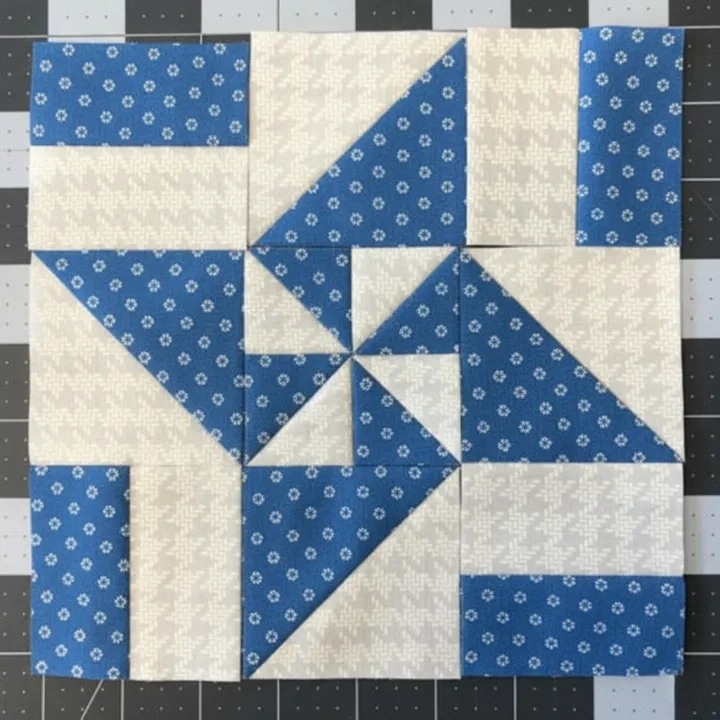
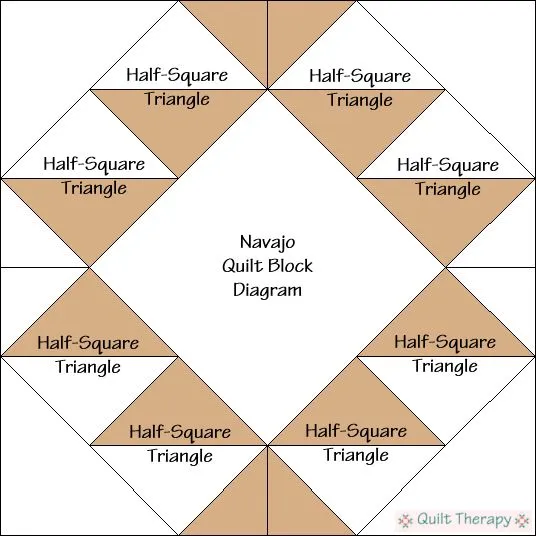
Before starting, it’s important to understand the structure of the Navajo quilt block. Typically, these blocks are made using geometric shapes such as squares, triangles, and diamonds, arranged in symmetrical patterns. The design often features bold, diagonal lines that create movement and depth in the quilt.
Unlike simpler quilt blocks, the Navajo quilt block requires careful planning of fabric placement and color. This ensures that the finished block has balanced symmetry and a visually striking appearance. Many quilters use templates or pre-cut fabric strips to achieve precise angles and lines.
The traditional Navajo quilt block is also known for its cultural significance. While modern adaptations often focus on design aesthetics, understanding the historical and cultural background of these patterns adds depth and meaning to your project. This awareness enhances the connection between the quilter and the art form.
To create your Navajo quilt block, gather the following materials. High-quality quilting fabric is essential for clean edges and accurate sewing. Choose fabrics in contrasting colors to highlight the geometric design, and consider a mix of solids and prints for added texture.
You will need a rotary cutter, a cutting mat, and a quilting ruler to accurately cut your fabric pieces. These tools are essential for precision and speed, allowing you to achieve clean lines and perfect angles in your blocks.
Additional materials include sewing pins or clips, thread matching your fabric colors, and a sewing machine or hand-sewing supplies. A pressing iron is also important for flattening seams and ensuring your block lies perfectly flat. Having all tools and materials prepared before starting will make your quilting process smoother and more enjoyable.
Creating a Navajo quilt block begins with cutting your fabric pieces according to the block’s design. Start by selecting a color scheme and cutting triangles, squares, or diamonds as indicated in your pattern. Precision in cutting ensures that your pieces align perfectly during assembly.
Next, lay out the pieces on a flat surface to visualize the final block. This step helps you adjust colors or placement before sewing, preventing mistakes that could affect symmetry. Take your time to arrange the pieces exactly as you want them in the finished block.
Begin sewing your pieces together using a quarter-inch seam allowance. Start with smaller units, such as triangles sewn into larger triangles or squares, and gradually assemble these units into the complete block. Accurate seam alignment is key to achieving crisp, geometric lines.
Press each seam as you go to reduce bulk and maintain a flat surface. Proper pressing prevents distortion and ensures that your block will fit perfectly with other blocks in a larger quilt project. Some quilters press seams open, while others press to one side, depending on the pattern and personal preference.
Once all pieces are sewn together, check your block for alignment and symmetry. Trim any excess fabric or uneven edges to ensure that your Navajo quilt block measures exactly according to your intended size. Accurate trimming is essential for creating a professional-looking quilt.
Finally, give your block a final press, smoothing out any wrinkles and reinforcing seam lines. Your Navajo quilt block is now ready to be joined with other blocks or incorporated into a larger quilt project, forming a vibrant and cohesive design.
Achieving a perfect Navajo quilt block requires attention to detail and patience. One helpful tip is to use templates or acrylic rulers for cutting precise angles and shapes. This reduces errors and ensures your block maintains a crisp geometric pattern.
Another tip is to plan your color layout carefully. Sketching your block on paper or using a digital design tool can help you visualize color placement and contrast before cutting fabric. This prevents color clashes and enhances the visual impact of your block.
Maintain a consistent seam allowance throughout the project. Uneven seams can distort shapes and affect the overall symmetry of your block. Using a sewing machine guide or marking your fabric can help maintain accuracy.
Pressing seams carefully after each sewing step is crucial. Proper pressing ensures that the block lies flat and helps prevent bulk in seam intersections. Using a pressing cloth can protect delicate fabrics from heat damage.
Experiment with different fabric textures and patterns to create unique effects. Combining solids with prints or textured fabrics adds dimension and visual interest to your Navajo quilt block.
Finally, take your time. Rushing can lead to misaligned seams and uneven shapes. Quilting is a process that rewards patience and precision, and every well-made block contributes to a stunning final quilt.
Once you’ve mastered the Navajo quilt block, you can apply this design to a wide variety of projects. The most obvious use is creating a full quilt, where multiple blocks are joined together to form a cohesive and visually striking piece.
Pillow covers are another excellent project. A single Navajo quilt block can become the focal point of a pillow, adding color and texture to your home décor. Mix and match blocks for a patchwork effect or highlight one block for a minimalist design.
Wall hangings are a creative way to display your blocks as standalone art. Framing a block or assembling several into a small tapestry allows you to appreciate the intricate design without committing to a full quilt.
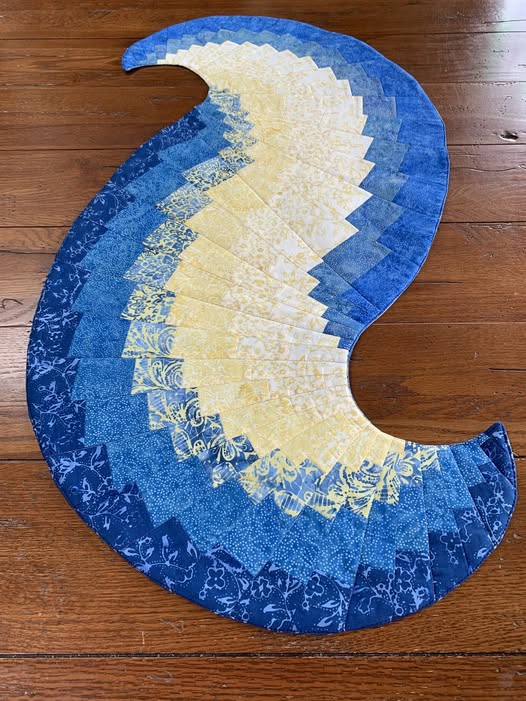
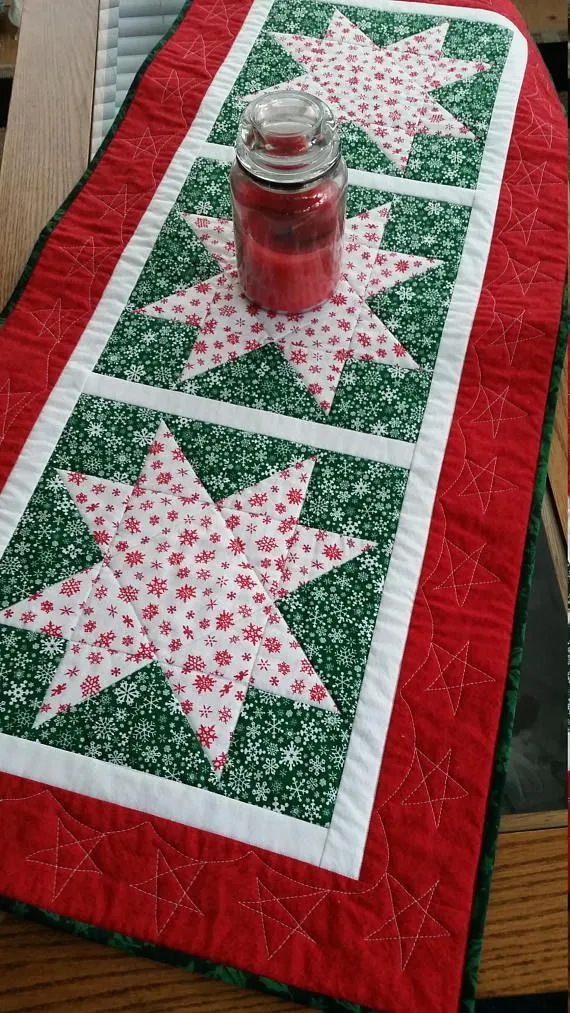
Table runners and placemats also benefit from the geometric beauty of the Navajo quilt block. These smaller projects allow you to experiment with color and pattern combinations while creating functional and decorative items.
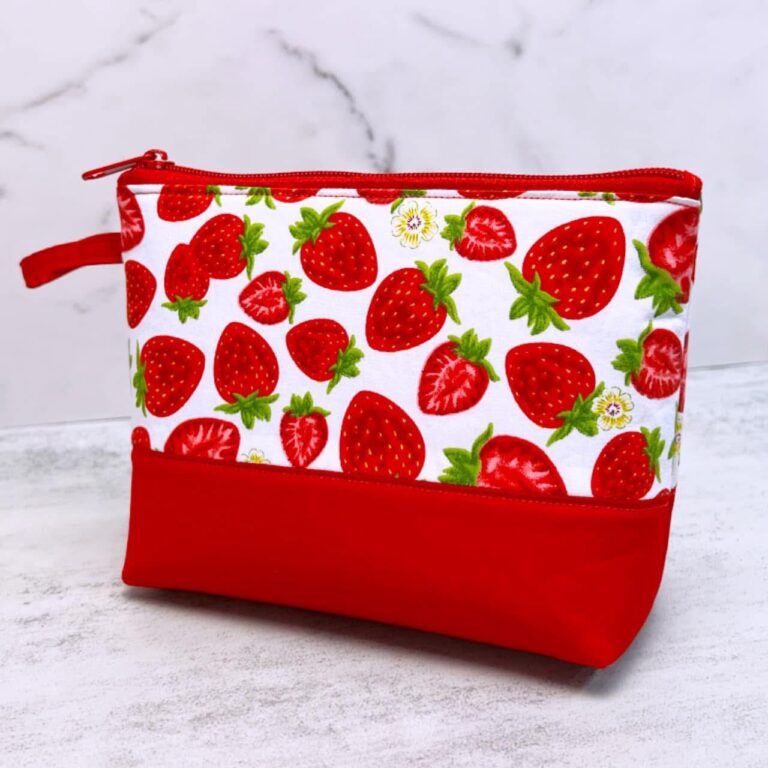
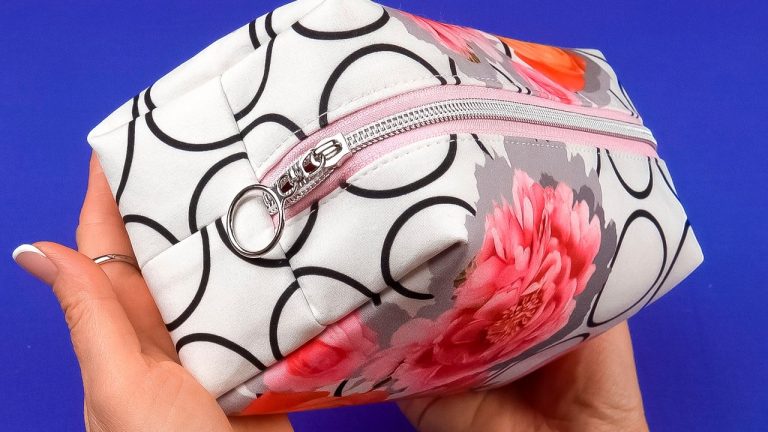
Bags, totes, and purses can incorporate blocks for a unique accessory. A single block or multiple blocks sewn together can create a bold, artistic statement piece.
Finally, explore mixed-media projects by combining your quilt blocks with embroidery, appliqué, or fabric painting. The Navajo quilt block provides a versatile canvas for creativity, allowing endless customization and artistic expression.
1. Can beginners make a Navajo quilt block?
Yes, beginners can make a Navajo quilt block with patience and attention to detail. Starting with a simple color scheme and using templates makes the process more manageable.
2. What fabrics work best for Navajo quilt blocks?
Cotton quilting fabrics are ideal. They are easy to sew, maintain shape, and provide clean lines. Mixing prints and solids can enhance the geometric pattern.
3. How do I maintain symmetry in my block?
Use precise cutting tools, consistent seam allowances, and careful pressing to maintain symmetry. Templates and acrylic rulers help achieve accurate shapes.
4. Can I combine Navajo quilt blocks with other block types?
Yes, they can be combined creatively with other blocks. Planning the layout in advance ensures visual cohesion and balance.
5. How do I prevent distortion when sewing pieces together?
Sew slowly, use pins or clips, maintain consistent seam allowances, and press seams carefully after each step.
6. What projects can I make with a Navajo quilt block?
You can create quilts, pillow covers, wall hangings, table runners, bags, and even mixed-media art pieces using your quilt blocks.
Creating a Navajo quilt block combines precision, creativity, and cultural appreciation. By following this tutorial, you have learned about materials, step-by-step assembly, tips for perfect alignment, and creative applications. The bold geometric designs and vibrant color possibilities make this block a rewarding project for quilters of all skill levels.
Now it’s your turn to bring your quilt block to life. Experiment with colors, shapes, and textures, and incorporate your blocks into larger projects. Share your results, leave your sincere opinions, and offer suggestions to inspire others in their quilting journey.